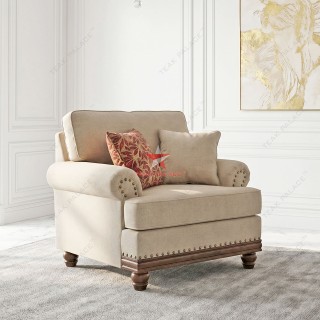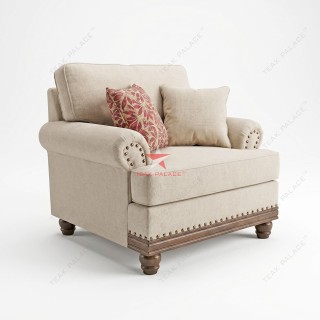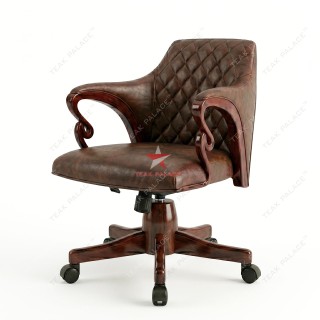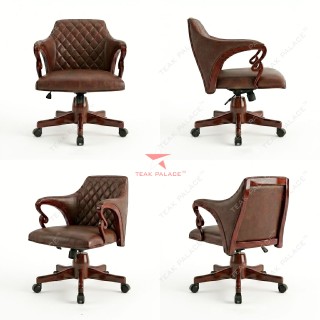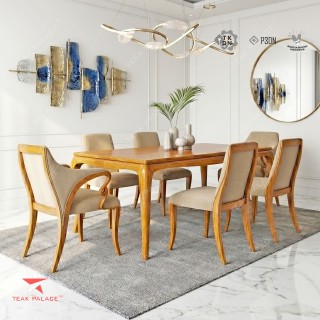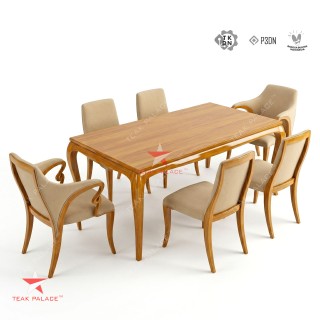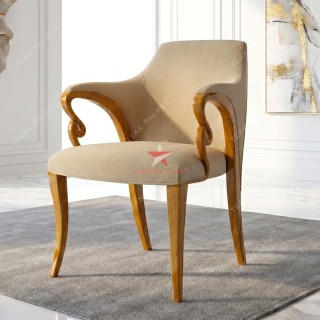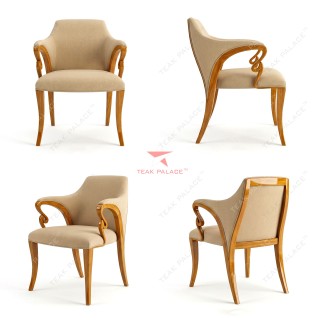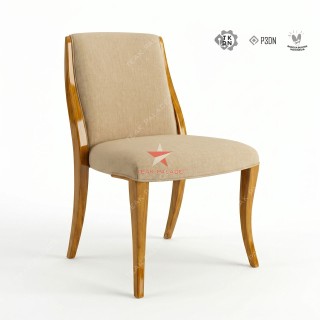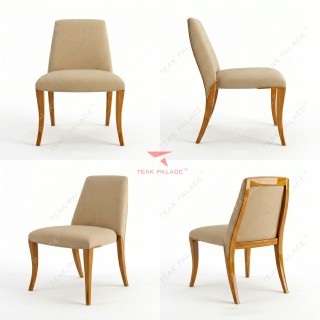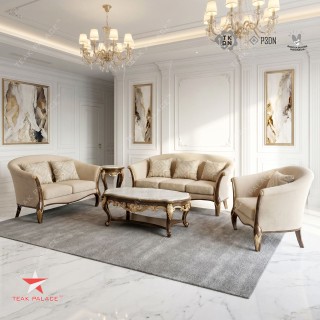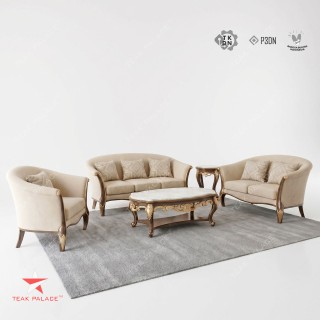






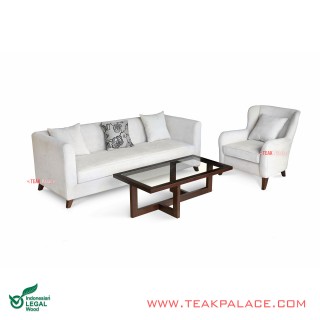
The latest 2024 minimalist sofa model which already has a TKDN certificate from teakpalace.com is a beautiful design from a combination of modern minimalist sofa models combined with classic sofa design elements that are elegant and luxurious. Choosing this sofa design is a solution to get an interior design that is not monotonous and at the same time provides a touch of luxurious interior design that is not boring, which is adapted to the tastes of the current upper middle class community.
The color elements that are not monotonous and the beautiful color lines of our latest minimalist sofa design will provide more value to beautify the room. The combination of curved lines and firm lines as well as a combination of bold colors itself gives an artistic artistic touch. For those of you who really like teak wood furniture and don't want to be stuck with classic sofa designs, we present chairs and sofas with a combination of typical Jepara carvings with modern curves and lines which of course use selected teak wood materials.
What is meant by a TKDN Certified Sofa?
A TKDN certified sofa is a sofa that meets the requirements and standards set by the government regarding the Domestic Content Level (TKDN). This means that the sofa has been proven to have the minimum percentage of domestic components set by the regulation.
TKDN certification shows that the sofa has been produced in accordance with certain standards set by the government regarding the use of domestic materials and components in the production process. Such certification is often used to support domestic industry and encourage local economic growth by promoting the production and use of local goods.
For example, in some countries, sofas seeking TKDN certification may have to meet a certain percentage of raw materials, components, or local labor used in their manufacture. By having TKDN certification, the sofa is recognized as a product that meets local standards and can provide greater economic benefits for the country.
General FAQs About Minimalist Sofas
9 basic things that people often ask about minimalist sofas, namely:
1. What is a minimalist sofa?
A minimalist sofa is a type of sofa furniture that is designed in a simple, clean style, and often has a minimalist design. Common characteristics of minimalist sofas include straight lines, simple shapes, and neutral colors. They tend to have few decorative or ornamental details, creating a clean, modern look. Minimalist sofas are often used in interior designs that have a modern or contemporary aesthetic. They can be made of a variety of materials, such as leather, fabric, or synthetic materials, and are available in a variety of sizes to fit the space and user preferences.
2. What are the advantages of a minimalist sofa compared to other sofa models?
Minimalist sofas have several advantages that make them popular in various environments and interior designs. Some of these include:
1. Efficient Space: The simple and proportional design of the minimalist sofa makes it suitable for various room sizes. They can be placed well in small spaces without taking up too much space.
2. Clean and Modern Look: With straight lines, simple shapes, and a lack of decorative ornaments, minimalist sofas provide a clean, neat, and modern look. This makes it suitable for a variety of interior decoration styles.
3. Flexibility: Due to its simple design, minimalist sofas can often combine with various other types of decoration and furniture. They can be a focal point in a room or part of a wider layout.
4. Easy to Clean and Maintain: The materials used in minimalist sofas are often easy to clean and maintain. This makes it practical for owners who want to easily maintain the cleanliness and appearance of their sofa.
5. Versatile Neutral Colors: Many minimalist sofas come in neutral colors such as white, gray, or black, which makes them easy to match the color of the walls, floors, or other furniture in the room.
6. Compatibility with Modern Lifestyle: Modern lifestyle often emphasizes simplicity, functionality and a clean appearance. Minimalist sofas reflect these values with their compact and practical designs.
7. Material Quality: Even though they have a simple design, minimalist sofas are often built with good quality materials, so they remain comfortable and durable.
These advantages make minimalist sofas a popular choice for many people who are looking for furniture that is stylish, practical and suits their space needs.
3. What shapes or designs are often found in minimalist sofa models?
Minimalist sofa designs tend to be emphasizes simplicity, straight lines, and clean forms. The following are some shapes or designs that are commonly found on minimalist sofas:
1. Straight Lines: Minimalist sofas often have simple and clean straight lines, both on the backrest, arms and overall frame.
2. Simple Silhouette: Minimalist sofa designs tend to avoid excessive ornamentation or detail. The silhouette is often simple and unadorned, creating an elegant and modern look.
3. Blunt Corners: Many minimalist sofas have blunt, geometric corners, resulting in a stronger, more contemporary look.
4. Modular Design: Some minimalist sofas are designed in modules that can be rearranged according to space requirements or user preferences. The modular design provides flexibility and creativity in room layout.
5. Slim Legs: Minimalist sofa legs often have a slim, minimalist design, often made of metal or wood with simple shapes.
6. Combination of Materials: Minimalist sofas often use a combination of materials, such as leather with fabric, or wood with metal, to create interesting contrasts and versatile designs.
7. Multifunctional Design: Some minimalist sofas are designed with additional functions, such as hidden storage under the seat, a folding mechanism for the bed, or an integrated side table.
8. Minimalist Pillows: The pillows used on minimalist sofas tend to have simple, sleek designs, often with little decoration or detail.
Overall, minimalist sofa design aims to create a clean, neat and modern appearance, while still providing the necessary comfort and functionality for the user.
4. What materials are commonly used to produce minimalist sofas?
Here are some common materials used to make minimalist sofas:
1. Leather: Leather is a material that is often used for minimalist sofas because it gives a luxurious and elegant appearance. Leather is also quite durable and easy to clean, making it a popular choice for sofas that are used frequently.
2. Fabric: Fabric materials such as linen, cotton, polyester or velvet are also often used for minimalist sofas. These fabrics offer a wide choice of colors and textures, and provide a warm and cozy touch to the space.
3. Synthetic materials: Synthetic materials such as synthetic leather or microfiber are also used to make minimalist sofas. They are often more affordable than genuine leather and can mimic a similar look and texture.
4. Wood: Wood is often used for minimalist sofa frames or legs. Solid wood or polished plywood provides a clean, natural look, while painted wood or veneer can provide a more modern look.
5. Metal: Some minimalist sofa designs use metal for the frame or legs, giving a more contemporary and industrial look. Metals such as steel or aluminum are often used because of their strength and durability.
6. Combination of materials: Many minimalist sofas are made with a combination of several materials to achieve the desired look and function. For example, a sofa with a wooden frame and seat cushions made of cloth or leather.
Material selection depends on personal preference, functional needs, and budget. Each material has its own advantages and disadvantages, so it is important to consider these factors when choosing a minimalist sofa.
5. What is a suitable space for placing a minimalist sofa?
Minimalist sofas are suitable for various types of spaces and can be placed in various interior environments. Here are some rooms that are suitable for placing a minimalist sofa:
1. Living Room: Minimalist sofas are a popular choice for living rooms because of their clean and modern design. They can be the main focus in a room and suit a variety of decorating styles.
2. Family Room: In the family room, a minimalist sofa can provide comfort and style without taking up too much space. They can be used for relaxing, watching TV, or hanging out with family and friends.
3. Small Spaces or Apartments: Due to their compact design, minimalist sofas are very suitable for small spaces or apartments. They help maximize limited space without sacrificing style or comfort.
4. Home Office: A minimalist sofa can also be placed in a home office as additional seating for guests or as a relaxing area between work sessions.
5. Waiting Room or Reception Area: In commercial environments such as offices or businesses, minimalist sofas can be used in waiting rooms or reception areas to provide comfort to visitors while maintaining a professional and modern appearance.
6. Main Bedroom: In the main bedroom, a minimalist sofa can function as additional seating for guests
read or relax. They can also be central in creating a relaxing corner or area for planning outfits.
7. Outdoor Enclosed Space: If you have an outdoor enclosed space such as a terrace or balcony, a weather-resistant minimalist sofa can be a good choice to add comfort and style to the space.
Minimalist sofas can be adapted to a variety of spaces and decorating styles, making them a flexible and versatile choice for a variety of interior environments.
6. What is the level of comfort on a minimalist sofa?
The level of comfort on a minimalist sofa can vary depending on several factors, including design, material, cushion structure, and individual user preferences. However, here are some general considerations regarding the comfort level of minimalist sofas:
1. Cushion Material: The material used for sofa cushions, such as foam, cotton, or a combination of both materials, can affect the comfort of the sofa. High-quality foam and hollow cushioning provide good support and optimal comfort.
2. Seat Depth and Width: The depth and width of a minimalist sofa seat also plays a role in its comfort level. A seat that is too shallow or too narrow may not provide enough space for the user to sit comfortably.
3. Cushion Design: Some minimalist sofas have slimmer or denser cushion designs, while others have cushions that are softer and hollow. Users' personal preferences will influence whether they find a sofa comfortable or not.
4. Back Support: The level of back support on a minimalist sofa is also important for comfort. Designs that provide adequate support for the spine and shoulders can increase the user's comfort level.
5. Outer Layer Material: The outer layer material of a sofa, such as leather, fabric, or synthetic materials, can affect its comfort level as well as its appearance and care. Some people may prefer the soft touch of fabric, while others may prefer the practicality and durability of leather.
6. Seat and Leg Height: The height of the sofa seat and legs can also affect user comfort. A seat that is too high or too low can disrupt posture and increase fatigue when sitting for long periods of time.
When choosing a minimalist sofa, it is important to test its comfort in person if possible. Additionally, consider your personal preferences and factors such as lifestyle, body posture, and seating preferences when choosing the right sofa for you.
7. How to choose a minimalist sofa that suits the room and is comfortable to use?
Choosing a minimalist sofa that suits the room and is comfortable to use involves several important considerations. Here are some steps that can help you choose the right sofa:
1. Size and Proportions: Consider the size of the room where you are going to place the sofa. Make sure the sofa you choose fits the size of the room and is not too big or too small. Also make sure the proportions of the sofa match the proportions of the room as a whole.
2. Design and Style: Choose a minimalist sofa design that suits your room's decoration style. Do you want a sofa with modern straight lines or a sofa with a more classic design? Make sure the design blends with other elements in the room.
3. Material Quality: Pay attention to the materials used in making the sofa, such as the frame, cushions and outer layer. Choose high quality and durable materials to ensure the comfort and durability of the sofa for a long time.
4. Comfort Level: Test the comfort of the sofa in person if possible. Sit on the sofa to feel the level of comfort and support provided by the cushions and backrest. Make sure the sofa provides adequate comfort for daily use.
5. Additional Functionality: Consider whether you need additional functionality on the sofa, such as an extra bed, reclining mechanism, or hidden storage. Choose a sofa that offers additional features according to your needs.
6. Color and Pattern: Choose a sofa color and pattern that suits your room's color palette and decorating style. Choose neutral colors for greater flexibility in adapting to future décor changes.
7. Budget: Determine the budget you have for purchasing a sofa and look for a sofa that fits that budget. However, make sure not to sacrifice quality for a cheaper price.
8. Consider Use: Think about how the sofa will be used in everyday life. If you have pets or small children, choose materials that are easy to clean and durable.
By considering all these factors, you can choose a minimalist sofa that suits you
your room and provide the desired level of comfort for everyday use.
8. How to care for a minimalist sofa so that it is durable and long-lasting?
Caring for a minimalist sofa well can help maintain its good appearance and extend its lifespan. Here are some tips for caring for a minimalist sofa:
1. Regular Cleaning: Clean the sofa regularly by sweeping it or sucking up dust and dirt using a vacuum with a suction device suitable for the material of your sofa.
2. Timely Cleaning: Respond to spills or stains immediately. Use a soft cloth dampened with warm water and a little mild soap to clean the stain. Avoid using harsh chemicals that can damage the sofa material.
3. Prevent Damage: Avoid using the sofa in a rough or excessive manner. Avoid sitting in wet clothes or with sharp objects that can damage the material.
4. Rotate Cushions: If possible, rotate sofa cushions periodically to ensure even use and to prevent the formation of depressions or gaps in the seating.
5. Avoid Direct Sun Exposure: If possible, avoid placing the sofa in excessive direct sunlight. This direct exposure can fade and damage the sofa material.
6. Use a Protector: Consider using a sofa protector or cover to protect the sofa from spills, dirt, and pets.
7. Regular Check and Maintenance: Regular check and maintenance, including checking the strength and durability of the material as well as checking the sofa legs and frame.
8. Leather Maintenance: If your sofa is made of leather, use leather conditioner regularly to maintain moisture and elasticity of the leather.
By caring for your minimalist sofa regularly and properly, you can ensure that it still looks good and is comfortable to use for a long time.
9. What is the General or Normal Price for a Minimalist Sofa?
The price of a minimalist sofa can vary significantly depending on various factors, including brand, quality, material, size and design. However, here is an approximate general price range for minimalist sofas:
1. Two Seater Sofa: The price range for a minimalist sofa with two seats is usually between IDR 2,000,000 to IDR 10,000,000 or more depending on the material, brand and quality.
2. Three Seater Sofa: A minimalist sofa with three seats can have a price range of around IDR 3,000,000 to IDR 15,000,000 or more, depending on the various factors mentioned previously.
3. Corner or L-Shape Sofa: Larger minimalist sofas with a corner or L-shape design usually have prices starting from around IDR 5,000,000 to IDR 30,000,000 or more, depending on the size, material and the brand.
4. Sectional Sofa: Minimalist sofas designed in several sections or modules (sectional) often have a wider price range, starting from around IDR 7 million to IDR 50 million or more, depending on the complexity of the design and materials used.
5. Nested Sofa: This type of sofa often consists of two or more small sofas that can be arranged in a nested manner. Prices for minimalist nesting sofas can range from IDR 3 million to IDR 20 million or more, depending on size and material.
Please keep in mind that these are only approximate price ranges, and actual prices may vary depending on factors such as specific brand, quality of materials, location of purchase, and whether there are special offers or discounts available. It is always advisable to do research and compare prices before making a purchase of a minimalist sofa.
Related Products




Newest Products